
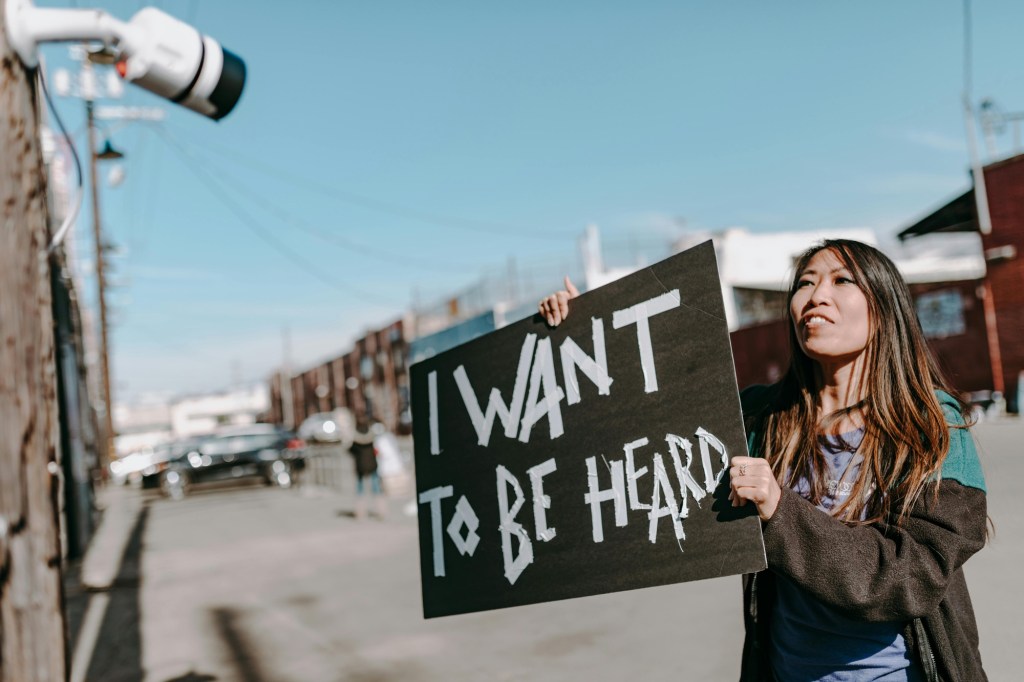
In today’s civics, there’s a group that often goesunnoticed: teenagers. And I would know, because I am one.
This absence from civic affairs isn’t just the big stuff, like politics and presidential campaigns. It’s everyday legislation and social policy issues, like hunger and climate change.
The median age of the 119th American Congress, after the 2024 elections, is over 60 years old. This is just one demographic evidence pointing to the fact that young people are not yet a considerable presence in government, which makes it harder for their voices to be heard.
Responding to a New York Times conversation forum regarding the 2024 elections, teenagers conveyed their frustration.
“It is extremely frustrating when people don’t take your ideas seriously because of your age.” ~ Sarah from Massachusetts
“When people ignore what teenagers are saying, they make decisions that negatively impact them.” ~ Tyler from Missouri
And it’s not just American teens. According to nonprofit organization Freedom House and other data analyses, youth disengagement of voters from 18-29 years old, coined “democratic backsliding,” has become a global trend. Less than half of this age demographic, the youngest of which are barely older than today’s teenagers, vote in their national elections. And even when they are eligible to vote, 69% of countries worldwide place age restrictions on young people who not only desire to cast a ballot, but run for office and represent their communities.
Additionally, the United Nations ran a global survey to which over 70 percent of youth respondents replied that they believe current officeholders in their communities do not listen to young citizens.
This growing dissatisfaction with democracy is concentrated in the world’s youth, and it is part of the reason why nearly 90 million citizens did not cast their ballot in the 2024 presidential election, including almost 58% of young voters.
So, how can attentive young people show care for their communities by raising their voice? Turns out, it’s more than casting a ballot.
- Participate in town halls, city council meetings, and the like.
Whether you live in a small town or a large city, chances are there’s a town hall meeting tonight that you never knew about. Town halls are an invaluable opportunity to meet your community’s elected officials and make your questions and concerns on important issues truly heard.
To find out the next town hall meeting near you, reach out to community members or do a quick Google search—-it could be a lot sooner than you think!
- Work at the polls.
Several states allow youth volunteers, many as young as sixteen years old, to work at the polls on key elections days—-presidential elections included! According to Tisch College data, 97% of youth poll workers were ages 18 or older, despite student worker provisions in states nationwide. Among those who had participated, the majority recognized the power of poll work in connecting young people with their communities in a meaningful way, serving as just one testament to the power of community service in amplifying teen voices.
To serve as a Minnesota poll worker or a student election judge, who are invaluable staff that ensure voting is done orderly and ethically, you can visit the Minnesota Secretary of State’s page here.
If you’re not a Minnesota native, not to worry—-simply search for the closest opportunities near you.
- Tune in to pressing issues.
In a world of endless information at the click of a button, we teens have some serious power at our fingertips. That’s why it is astoundingly important to use that to our advantage.
Having done some digging, I’ve found some pretty cool podcasts and websites to visit if you’re ever looking to expand your worldview.
- CNN10
- The NPR Politics Podcast
- “More Perfect” by WNYC Studios
- DoSomething.org
- Youth Service America
- Vote Smart
- Facilitate open conversations with fellow citizens.
In the divisive nature of today’s political affairs, the word “politics” itself seems to have become taboo at dinner table conversations. However, “politics” is simply another word for discussing the governance of a particular place, and avoiding these discussions simply fuels the hatred and divisiveness that can fester around it.
In order to respectfully engage in politically-productive discussions at school, it is crucial to understand differing points of view and find common ground, rather than attempt to persuade others into “joining” your worldview. During a discussion, make sure to maintain respectful body language and eye contact in order to convey genuine respect and interest in others sharing their perspectives. Discussion is meant to fuel this understanding in order to productively assess some of society’s most pressing issues, which is what makes it so crucial to facilitate open dialogue within our communities.
From working at the polls to kickstarting an honest, genuine conversation with friends & family, making our voices heard doesn’t end at the polls!
As civically-engaged teenagers incorporating more political awareness and community engagement into our lives, feel free share how your journey has impacted you. Every story counts!
If you have more suggestions and opportunities for fellow youth leaders to engage with their communities, comment on this post or reach out to us at our Instagram handle, @civicallysensible. We would love to connect with you!
SOURCES
NYTIMES:
TUFTS CIRCLE:
https://circle.tufts.edu/2024-election
PEW RESEARCH:
CTRI INSTITUTE:
FREEDOM HOUSE:
https://freedomhouse.org/article/why-are-youth-dissatisfied-democracy
 Civic Sense
Leave a comment